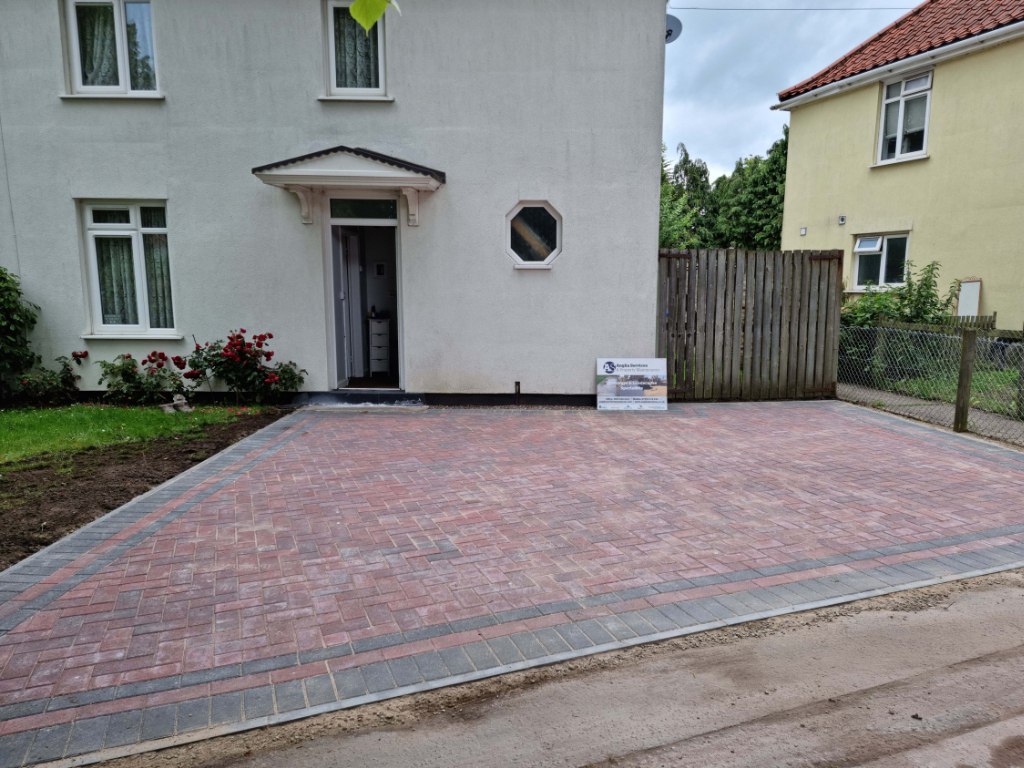
New Build Tarmac Driveways and Roadways: Key Considerations for a Quality Finish
A well-constructed tarmac driveway or roadway provides a durable, practical surface that can improve access to a property and support everyday vehicle use. For new-build developments in Earls Barton, Northamptonshire, achieving a quality finish depends on more than simply laying the tarmac. Careful ground preparation, suitable drainage, a properly constructed base and professional surfacing techniques all contribute to the long-term performance of the finished area.
Whether planning a driveway for a newly built home or a roadway serving several properties, understanding the main construction considerations can help ensure the surface is suitable for its intended use. Earls Barton Driveways & Patios can help property owners plan effective surfacing solutions that balance practicality, durability and a neat appearance.
Why Tarmac Is a Practical Choice for New-Build Surfacing
Tarmac is widely used for driveways and roadways because it creates a smooth, continuous surface that is suitable for regular vehicle movements. When installed over a properly prepared base, it can provide reliable access while maintaining a clean and consistent appearance.
For new-build properties, tarmac can be particularly useful where the driveway needs to connect with garages, parking spaces, entrances or existing access routes. On larger developments, it can provide a practical finish for internal roadways and shared access areas.
However, the quality of the finished surface depends heavily on the work beneath it. Even good surfacing materials may perform poorly if the ground is unstable, the base is inadequate or water cannot drain away effectively.
Ground Preparation and Sub-Base Construction
Ground preparation is one of the most important stages of a new tarmac driveway or roadway installation. Construction traffic, excavation and changes to the ground during a building project can leave areas uneven or insufficiently compacted.
Before surfacing begins, the ground should be assessed and prepared to suit the intended traffic and site conditions. Unsuitable material may need to be removed, and the formation should be properly shaped and compacted.
A suitable sub-base provides support and helps distribute vehicle loads across the surface. Its required depth and composition depend on factors such as ground conditions, expected vehicle use and the design of the installation. Driveways used mainly by cars have different demands from roadways expected to accommodate heavier vehicles.
If the foundation is poorly prepared, the finished tarmac may develop depressions, cracking or uneven areas as the ground moves under repeated loading. Investing attention in the groundwork is therefore essential to achieving a consistent and durable finish.
Effective Drainage and Surface Levels
Drainage should be considered before any tarmac is laid. Rainwater needs to move away from the surface without collecting in low spots or flowing towards buildings.
Correct gradients help direct water towards suitable drainage points, while the position of the driveway or roadway must be coordinated with thresholds, garages, paths and surrounding ground levels. Poorly planned levels can lead to persistent puddles, water entering vulnerable areas or deterioration around the edges of the surfacing.
For new-build projects in Earls Barton, Northamptonshire, drainage planning should form part of the overall site design rather than being treated as a finishing detail. The right approach depends on the layout, ground conditions and the available drainage arrangements.
A professional surfacing assessment can help identify potential problems before installation, when levels and drainage details can be incorporated more effectively.
Choosing the Right Tarmac Specification
Not every tarmac installation requires the same materials or construction method. The appropriate specification depends on whether the surface will serve a private driveway, a shared access route or a roadway with more frequent vehicle movements.
The expected traffic, turning movements and loading conditions all influence the design. Areas where vehicles regularly turn, brake or stand for long periods may experience different stresses from straight sections with occasional traffic.
The thickness and composition of the surfacing layers should be selected to suit these demands and the supporting base. Using an unsuitable specification can lead to premature wear or deformation, particularly where heavier vehicles are involved.
Discussing the intended use with a professional contractor helps ensure the finished surface is designed around practical requirements rather than appearance alone.
Achieving a Smooth, Neat and Consistent Finish
A quality tarmac finish should be even, well compacted and properly integrated with surrounding surfaces. Consistent laying and compaction help produce a uniform appearance while supporting the surface’s performance under normal use.
Edges also deserve attention. Clear, stable boundaries help define the driveway and reduce the risk of the tarmac breaking away where it meets lawns, paving, drainage channels or other surfaces.
On new-build projects, the surfacing should also align neatly with entrances, garage floors and adjoining pathways. Careful planning of these transitions helps avoid awkward level changes and improves everyday access.
Once the tarmac has been laid, it must be allowed to cool and stabilise appropriately before being opened to traffic. Following the contractor’s guidance on when the surface can be used helps protect the finish during its initial setting period.
Common Problems to Avoid During Installation
Several avoidable mistakes can affect the performance of new tarmac driveways and roadways. Inadequate ground preparation may lead to settlement, while poor drainage can cause standing water and contribute to surface deterioration.
An unsuitable surfacing specification can also struggle to withstand the traffic it receives. In addition, rushed laying or inconsistent compaction may create uneven areas that affect both appearance and durability.
These problems are often more difficult to correct once the installation is complete. A clear plan covering groundwork, drainage, materials and finishing details helps reduce the likelihood of defects and supports a more reliable result.
Professional Tarmac Driveways and Roadways in Earls Barton, Northamptonshire
A successful new-build surfacing project requires careful coordination between the groundwork and the finished tarmac. By considering site conditions, vehicle use, drainage and surface levels from the outset, property owners can achieve a driveway or roadway that is practical as well as visually appealing.
Earls Barton Driveways & Patios can assist with tarmac driveway and surfacing requirements in Earls Barton, Northamptonshire, helping ensure that important construction details are considered before work begins. If you are planning a new-build driveway or roadway, contact Earls Barton Driveways & Patios to discuss your project and arrange a professional assessment.
Conclusion
New-build tarmac driveways and roadways need a properly prepared foundation, effective drainage and a surfacing specification suited to their intended use. Attention to levels, compaction, edges and finishing details also plays an important role in achieving a smooth and dependable result.
For property owners in Earls Barton, Northamptonshire, professional planning and installation can help reduce avoidable defects and support the long-term performance of the surface. By addressing the essential construction details from the beginning, a new tarmac driveway or roadway can provide practical access and a clean, consistent finish for years to come.
Call us on: 01604 279 793
Click here to find out more about Earls Barton Driveways & Patios
Click here to complete our contact form and see how we can help with your driveways.